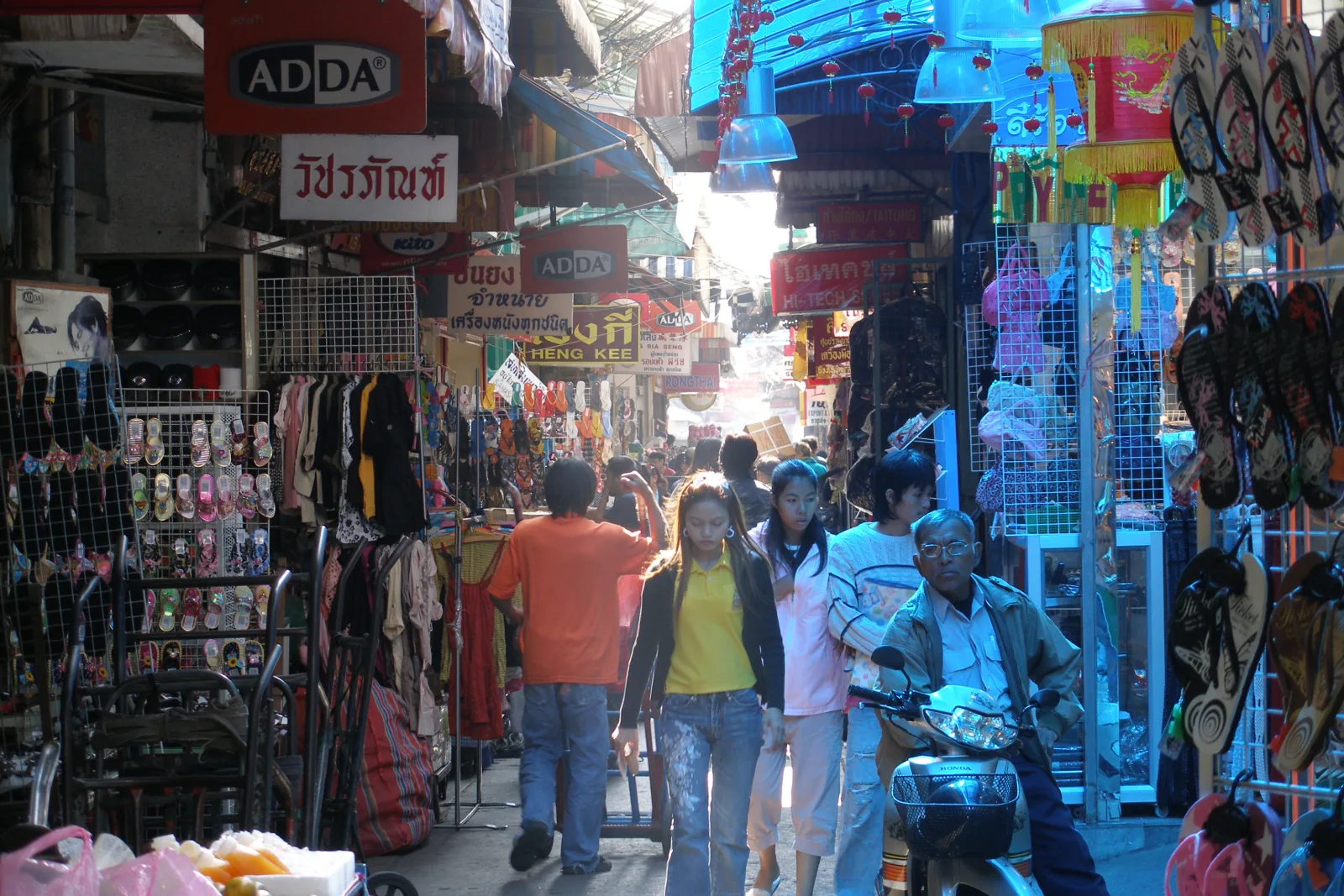
the first time you look at digital nomad visas, it feels like choosing a new life from a dropdown menu.
Portugal for the sunsets.
Spain for the food.
Thailand because your group chat has been talking about Chiang Mai since 2019.
Costa Rica because everyone becomes suspiciously spiritual near a waterfall.
i understand the pull.
but if you are choosing your first serious visa, the better question is boring:
where can i legally stay, keep working, prove my income, avoid tax surprises, and build a normal weekday life without turning every document into a side quest?
that is the question i would start with.
this is not legal or tax advice. it is the version i would give a friend who is serious enough to leave, but not trying to make the first move harder than it needs to be.
the shortlist
if you are new to this, do not start with 50 countries.
start with a small list that covers the main beginner paths: lower income, strong savings, European base, English-speaking base, and higher-income clean-paperwork options.
| country | 2026 money test | shape of the stay | my read |
|---|---|---|---|
| Colombia | 3x Colombian minimum monthly wage | up to 2 years | best lower-threshold option for US-timezone workers |
| Brazil | USD 1,500/month or USD 18,000 funds | 1 year, renewable once | low barrier, huge lifestyle range, more tax care needed on longer stays |
| Thailand | THB 500,000 financial evidence | 5-year DTV, stay rules still matter | excellent if you have savings and clean remote-work proof |
| Costa Rica | USD 3,000/month solo, USD 4,000/month family | 1 year, renewable once | clear rules, peaceful base, not cheap |
| Portugal | about EUR 3,680/month in 2026 | residence route, longer-term potential | strong EU base, heavier housing and bureaucracy reality |
| Spain | 200% of Spanish SMI, consulate calculation varies | resident telework route | great lifestyle, document-sensitive |
| Croatia | currently EUR 3,295/month or lump-sum funds | up to 18 months | clear official rules, but not a low-threshold visa anymore |
| Malta | EUR 42,000 gross/year | 1 year, renewable up to 4 years total | English-speaking EU option for higher earners |
| Estonia | EUR 4,500/month | temporary visa, not a residence path | clean digital system, high bar, specific fit |
my rough ranking for a first move:
- Colombia or Brazil if your income is stable but not huge.
- Thailand if you have savings and want Asia.
- Costa Rica if you have budget and want a calmer nature-heavy base.
- Portugal or Spain if you want Europe badly enough to deal with the paperwork.
- Croatia, Malta, or Estonia if you earn well and the country itself is the point.
the rule i use

the internet ranks visas like travel inspiration.
i rank them like operating systems.
can you prove the income cleanly? Can your employer tolerate the country? Does the timezone protect your week? Will you become tax resident if you stay too long? Can you get housing without signing something stupid? Are you applying with documents you actually have, or with documents you hope a client will write later?
the visa has to match the shape of your income.
a full-time remote employee with a clean employer letter has a different path than a freelancer with five clients. A founder with irregular distributions has a different path again. A creator who gets paid through platforms may qualify on income, then struggle to prove it in the format a consulate wants.
this is the least romantic part of nomad life, and the most useful.
the country is not the plan. The plan is the boring setup that lets the country become livable.
latin america first
Colombia
Colombia is one of the first places i would research if you work US hours and your income is real but not yet “European visa threshold” real.
The official Visa V Nomadas Digitales is for remote work or telework from Colombia through digital means, for foreign companies or clients, or for certain digital/content/technology projects. The money rule is tied to three Colombian legal monthly minimum wages during the last three months.
that last bit matters. Do not use a random old USD number from a blog. Colombia thinks in pesos and legal minimum wages first. Convert after.
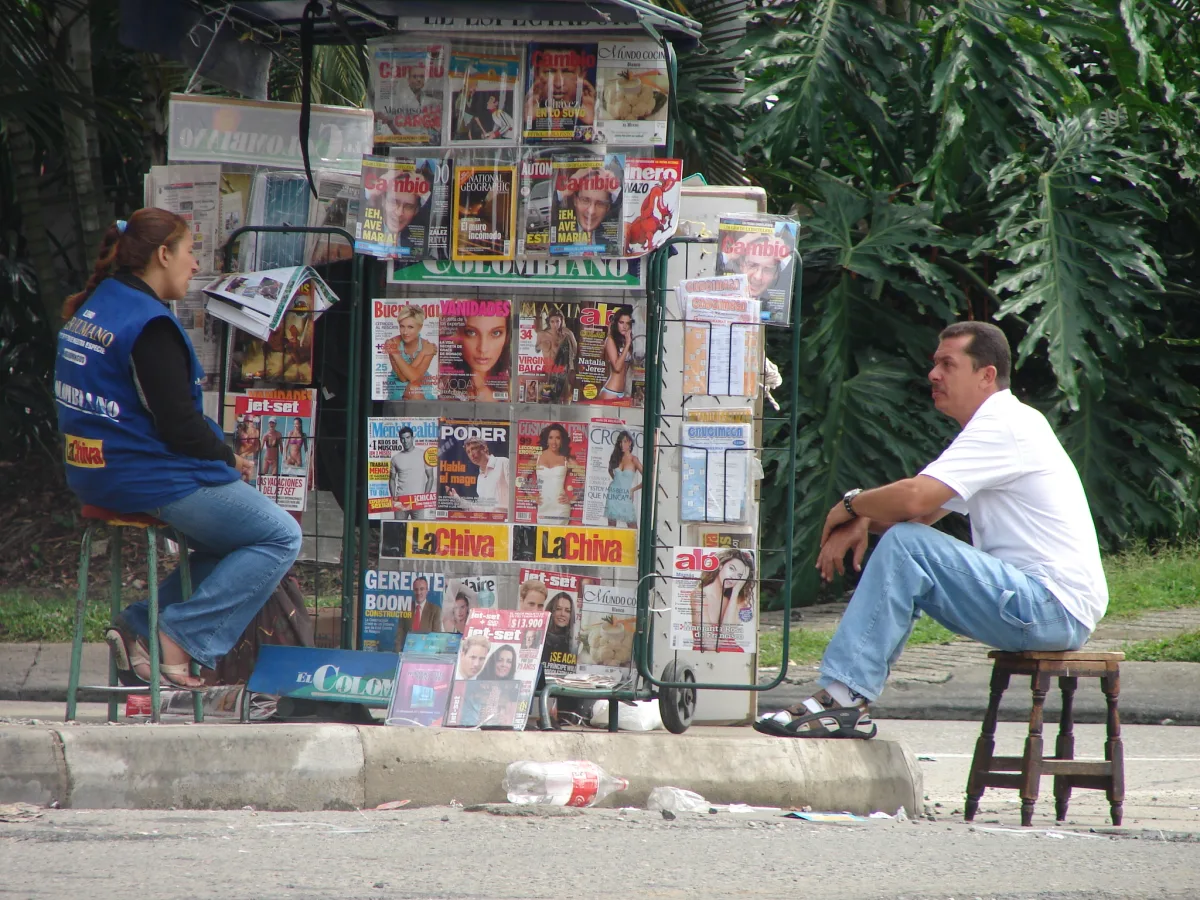
the upside is obvious: timezone, cost, existing nomad infrastructure, and a threshold that does not punish you for being early in your remote career.
the thing to watch is approval practice. Low threshold does not mean automatic approval. You still need a clean story: foreign income, bank statements, health insurance, and no local Colombian salary.
my take: Colombia is a strong first test if you want Latin America and work with US clients. Just do not treat the visa like a rubber stamp.
Brazil
Brazil is the other lower-threshold option i would take seriously.
The official rule is for someone who can work remotely in Brazil for a foreign employer, with no employment relationship in Brazil. The financial requirement is simple: USD 1,500/month from foreign sources, or USD 18,000 in available funds.
That makes Brazil unusually accessible for a major country.
It also gives you range. Rio is not Sao Paulo. Sao Paulo is not Florianopolis. A smaller coastal base is a different life again. You can change the experiment without changing the country.
the watch-out is tax and bureaucracy. Brazil is not a “just show up and vibe” plan if you stay long. A longer stay can change your tax position, and the consular or in-country process still requires patience.
my take: if you want Latin America but Colombia does not fit your temperament, Brazil is probably the next place i would look.
asia if you have savings
Thailand
Thailand’s Destination Thailand Visa, the DTV, is the most interesting Asia option for many remote workers in 2026.
The Thai government lists DTV documents for digital nomads, remote workers, foreign talent, and freelancers. The key financial evidence is at least THB 500,000, usually shown through a bank statement or similar proof. The visa validity is listed as five years.
this is not a classic monthly-income visa. It is more of a “show enough liquid money and prove the purpose of your stay” visa.
that can be good if your income is real but uneven. It can be bad if your savings are thin.
the big caveat: the embassy matters. Thailand’s own page tells applicants to check the relevant embassy or consulate. In practice, that means the employment letter, freelance proof, bank history, translation rules, and application location can vary.
also, a five-year visa is not the same as five frictionless years in Thailand. Stay periods, extensions, re-entry, reporting, and tax questions still matter.
my take: Thailand is excellent if you have the THB 500,000 requirement covered and your remote-work proof is clean. It is not a shortcut around having a stable base.
the calm option that costs more than people expect
Costa Rica
Costa Rica has one of the clearer remote-worker categories.
The official requirements say remote workers or service providers can apply if they work for someone outside Costa Rica and earn at least USD 3,000/month, or USD 4,000/month when applying with dependents. The income must come from outside Costa Rica, and the requirements look at proof from the previous year.
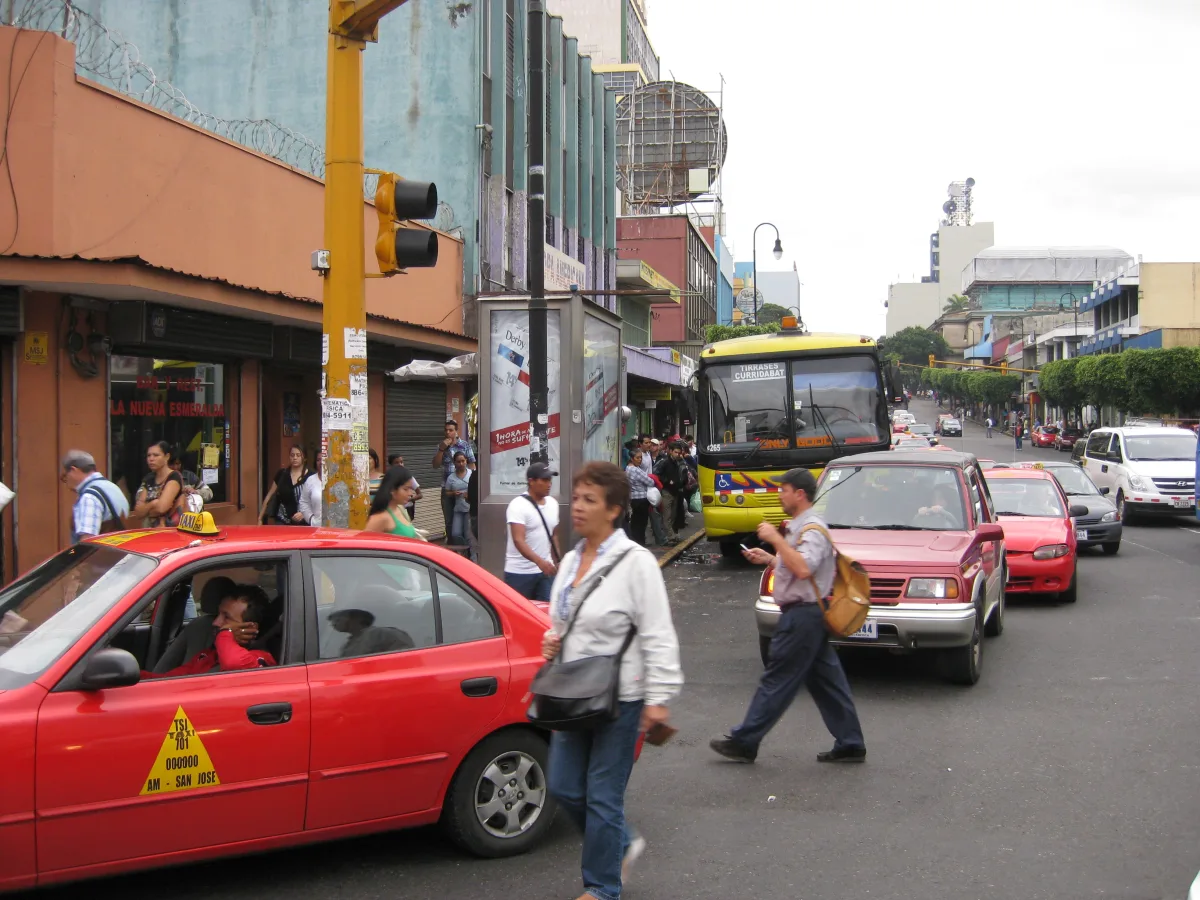
the visa is easy to understand. The country is not hard to love.
the surprise is cost.
Costa Rica is not the bargain version of Latin America. Housing, food, transport, and the places remote workers want can add up quickly. If your plan only works because you imagine everything gets cheap the moment you land, pick somewhere else.
my take: Costa Rica is a good fit for stable earners who want calm, nature, and a slower rhythm. It is not the move i would make on a tight runway.
europe, but do not sleepwalk into it
Portugal
Portugal’s remote-work visa, usually called the D8, is still one of the big ones.
The official Portuguese route is for professional activity performed remotely for outside Portugal. The VFS checklist asks for average monthly income over the last three months equal to four times the Portuguese monthly minimum wage. Since Portugal’s 2026 minimum wage is EUR 920, the practical D8 threshold is about EUR 3,680/month.
Portugal can be a real base, not just an extended trip. That is the appeal.
but it is not the easy-mode fantasy anymore.
Housing is tight in the obvious places. Immigration processing can be slow. Tax rules changed after the old NHR era. And the visa wants the kind of stability many new freelancers do not yet have.
I would not make Portugal my first casual experiment. I would choose it if I wanted Europe, had clean income proof, and was ready to treat the move like a residence project.
Spain
Spain’s telework visa is one of the best lifestyle options if your paperwork is clean.
Consular pages describe it as a visa for foreigners living in Spain while working remotely for companies or employers outside Spain. If you are self-employed, you may also work for a Spanish company, but only up to 20% of your professional activity.
the money rule is tied to the Spanish SMI. The requirement is generally 200% of the Spanish minimum wage, with extra amounts for family members.
the annoying part in 2026 is the calculation. Spain’s official SMI is EUR 1,221/month in 14 payments. Some consulates show calculations one way, others annualize into 12 monthly amounts. Use the consulate you will apply through, not a generic blog number.
Spain is great if your employer letter, social security position, qualifications or experience proof, background checks, translations, and apostilles are all in order.
if that sentence made your shoulders rise, good. That is your body noticing paperwork.
Croatia
Croatia is clear, but not cheap.
The official MUP page defines a digital nomad as a third-country national working through communication technology for a company or their own company that is not registered in Croatia and does not provide services to Croatian employers.
Temporary stay can be granted up to 18 months. The current money requirement is EUR 3,295/month, or available funds of EUR 39,540 for 12 months and EUR 59,310 for 18 months.
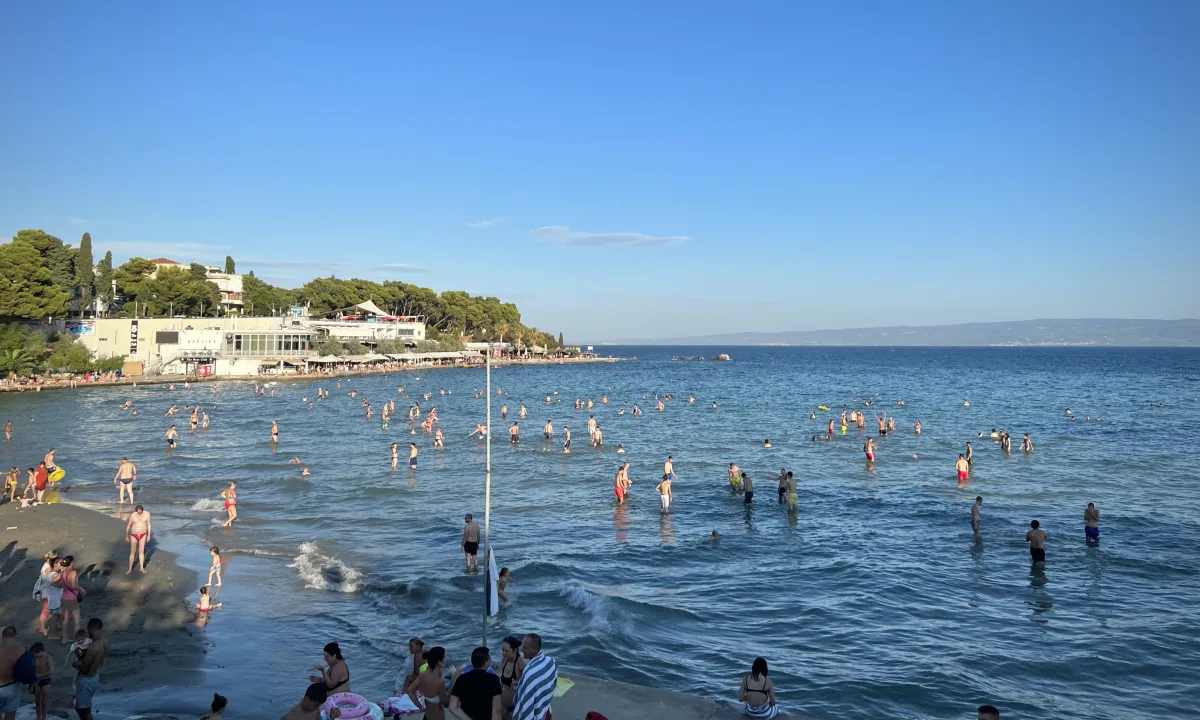
I like Croatia as a one-base European experiment for someone who already earns well.
I would not send a beginner there if they are still proving remote income month by month.
Malta and Estonia
Malta and Estonia are useful, but more specific.
Malta’s Nomad Residence Permit is for non-EU, non-EEA, non-Swiss applicants who work remotely through telecoms for foreign employers, foreign companies they own or partly own, or foreign freelance clients. The threshold is EUR 42,000 gross per year. The official FAQ is detailed, especially around insurance and accommodation.
Estonia’s Digital Nomad Visa is clean and digital-government friendly, but the threshold is EUR 4,500/month, and the FAQ is clear that it is temporary. It is not a permanent-residence shortcut.
my take: Malta makes sense if English, EU access, and a central agency process matter. Estonia makes sense if you specifically want Estonia and clear digital systems. I would not choose either just because a “best visa” list told me to.
choose by your real constraint
| if this is you | start here | be careful with |
|---|---|---|
| you make USD 1,500 to 2,500/month | Brazil, Colombia | Europe’s higher income thresholds |
| you make USD 3,000 to 5,000/month | Costa Rica, Portugal, Spain, Brazil, Colombia | assuming “qualify” means “easy” |
| you have savings but uneven income | Thailand, Brazil, Croatia’s lump-sum route | visas that require recent monthly income |
| you have a full-time remote job | Spain, Portugal, Malta, Estonia, Thailand | moving before employer approval |
| you only want a first 90-day test | short-stay rules before full residence routes | turning a test into a year-long paperwork project |
the mistake is choosing the most exciting country instead of the least fragile setup.
for a first move, fragile usually means:
- employer did not approve the country
- income is real but hard to prove
- housing requires too much money upfront
- the timezone makes your workday ugly
- you are close to a tax-residency line you do not understand
- your visa depends on a document someone has not agreed to give you
if any of those are true, solve that before choosing the city.
the folder test
before applying anywhere, make a folder with the boring stuff.
- passport scan
- passport-style photos
- remote employment letter or client letters
- employment contract or service contracts
- recent payslips or invoices
- bank statements, usually three to six months
- proof of health insurance
- criminal background check if needed
- apostilles or legalizations where needed
- certified translations where needed
- tax-residency certificate if requested
- accommodation proof if requested
- a one-page explanation of your remote work and income
if you cannot build that folder, you are probably not ready for the visa yet.
that does not mean you are not ready to travel.
it means you may be ready for a short legal test, not a residence application.
and that is fine. A short, calm test beats a grand plan held together by PDF panic.
my final answer
if you are new to this, do not chase the “best” digital nomad visa.
chase the one that will make your first year less wobbly.
choose Colombia if you want a lower threshold and US timezone overlap.
choose Brazil if you want a low financial bar and a country big enough to try different versions of life.
choose Thailand if you have savings and want Asia.
choose Costa Rica if you have stable income and want calm more than cheap.
choose Portugal if you want an EU base and are ready for bureaucracy.
choose Spain if your documents are clean and lifestyle matters enough to do the paperwork.
choose Croatia if you already earn well and want a clear European stay.
choose Malta if English and EU access matter.
choose Estonia if you specifically want Estonia, not just “somewhere in Europe.”
before all of that, sort the boring five:
income proof, employer permission, insurance, tax exposure, and first-month housing.
the visa is not the dream.
the visa is the permission structure that lets the dream stop wobbling.
sources checked
- Portugal: AIMA remote work residence authorization, Portugal remote-work visa checklist via VFS, and Portugal 2026 minimum wage announcement.
- Spain: Spanish telework visa consular requirements, Spanish digital nomad visa description, and BOE 2026 SMI decree.
- Croatia: MUP temporary stay of digital nomads.
- Malta: Nomad Residence Permit eligibility and 2026 FAQ.
- Estonia: e-Residency digital nomad visa page and 2026 FAQ.
- Costa Rica: official digital nomad requirements and renewal rules.
- Colombia: Cancilleria Resolution 5477 compilation and 2026 minimum wage reference from the Presidency.
- Brazil: Brazil Ministry of Justice digital nomad regulation announcement and CNIg Resolution 45.
- Thailand: Thailand government DTV overview and Thai e-Visa portal.
image credits
- Hero image, Bangkok: Vyacheslav Argenberg, CC BY 4.0, via Wikimedia Commons.
- Lisbon street: Hunter Desportes, CC BY 2.0, via Wikimedia Commons.
- Split street scene: Sharon Hahn Darlin, CC BY 2.0, via Wikimedia Commons.
- Medellin street vendors: Ivan Erre Jota, CC BY-SA 2.0, via Wikimedia Commons.
- San Jose street: Eric Fredericks, CC BY-SA 2.0, via Wikimedia Commons.







.jpg)


