bogotá next ·
helsinki base
building a remote life:
online income, slow travel,
and healthier freedom
for people in their 30s who want to become digital nomads without blowing up their career, savings, or nervous system.
you're not stuck. you're under-routed.
most people in their 30s aren't stuck because they lack courage. they're stuck because nobody has given them a sequence.
- you've been 'about to' go nomad for 2+ years -- and the window keeps feeling like it's closing 😅
- every guide says 'quit your job and buy a one-way ticket.' you can't do that.
- remote jobs feel like a closed club -- posted for people already inside.
- you don't know if you need 3 months of savings or 18. nobody agrees.
hey, i'm Andrey.
since i landed in Bangkok 15 years ago, i've lived in 6 countries, worked in tech, and slowly built a life that doesn't depend on one place.
last year i closed the Helsinki chapter, packed everything into hand luggage, and went 🚀 now i'm building the systems behind sustainable remote life -- and helping people in their 30s do the same.
read the full story →freedom works better when it has structure.
i don't think digital nomad life starts with booking a flight. it starts with building the base that makes travel feel lighter, not more chaotic 🏗️
8 steps. before you call yourself a nomad.
because the real work starts before the flight. clarity first. income second. systems third. movement last.
clear the noise
create space to hear what you actually want -- before copying someone else's dream.
audit where you are
work, energy, money, skills, health, routines, relationships. no fantasy numbers.
define your freedom
your pace, your people, your work rhythm, your health, your non-negotiables.
choose your income path
remote job, freelance, consulting, creator, business -- or a hybrid that fits.
calculate your runway
monthly costs, savings, income target, risk level. boring, but freeing.
build your personal OS
tools, routines, documents, admin, workouts, money flow. less chaos on the road.
run the first experiment
small experiments before big decisions. validate the path while you're still stable.
start moving
where, when, how long, and why. one month per place beats panic-travel 👌
the version instagram doesn't post.
tradeoffs i wish someone had named earlier 🙈
freedom still needs income
nomading is not a sabbatical. the work still has to work -- clients, deadlines, meetings, invoices, all of it.
your calendar shapes the map
in your 30s, you usually don't travel like a gap-year backpacker. you pick places around time zones, deep work, sleep, and a life that still functions.
your routine gets tested
gym, food, focus, dating, friendships, laundry, admin. easy at home. harder when every few weeks the background changes.
community takes intention
friends don't just appear because you changed countries. you need rhythm, local spots, repeated faces, and enough time in one place to actually belong.
4 things i actually believe.
the through-line. if you don't agree with these, we're probably not a fit -- and that's fine.
hustlesystems
repeatable beats heroic. you can't sprint a lifestyle.
passive incomeboring income
stable freelance/employed remote work. not a course funnel.
fast travelslow travel
1+ months per base. work doesn't pause for jetlag.
vibestradeoffs
name what you're giving up. it's the only honest plan.
get the boring stuff handled.
practical resources for the systems, tools, gear, and checklists that make the road less chaotic.
digital nomad starter guide
income, visas, taxes, banking, and first-base decisions.
get it →nomad-ready packing checklist
packing, arrival setup, and pre-trip buys in one Notion board.
get it →my nomad tools
apps, services, cards, and gear i would rebuild first in 2026.
browse →my nomad gear
the physical things that keep travel days, work, and training less fragile.
browse →the blog.
no hot takes. long essays on the parts of nomad life people don't write about -- logistics, income, the tradeoffs, the loneliness.

the 90-day plan to test nomad life without blowing up your life
a calm, reversible 90-day experiment for people in their 30s who want to test digital nomad life before making the dramatic airport montage.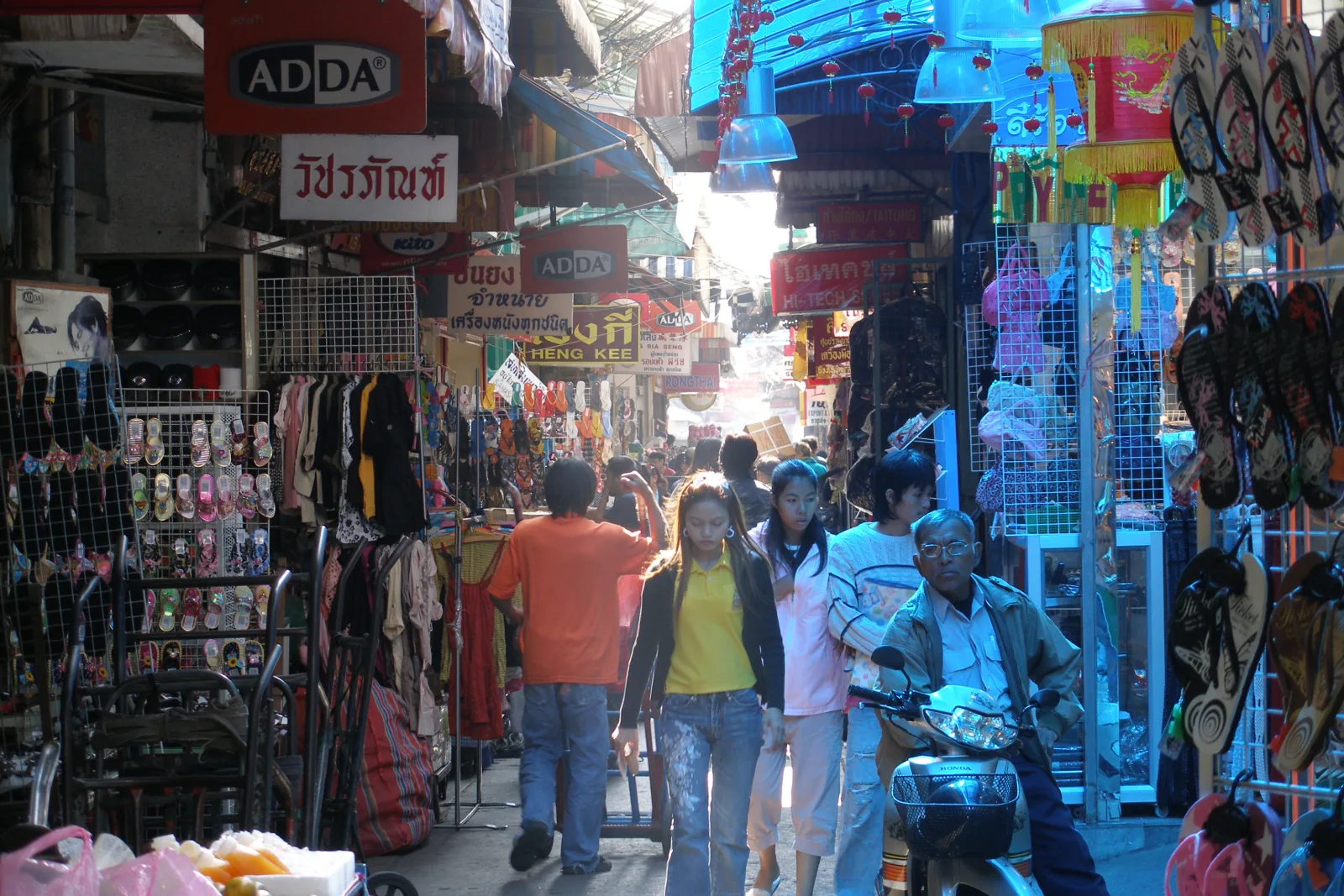
best digital nomad visas in 2026 for beginners
a practical 2026 shortlist of digital nomad visas that are actually worth considering first, with income rules, tradeoffs, and the details people miss.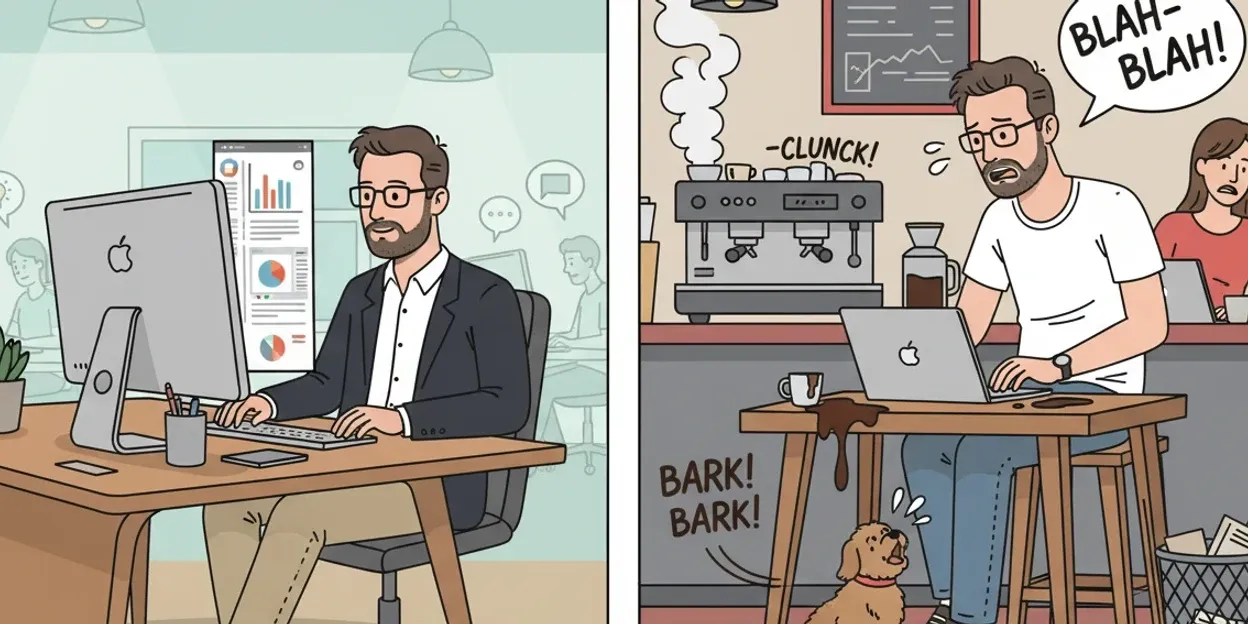
coworking vs cafes: where digital nomads actually get work done
coworking spaces give you stable wifi, desks, and people who get remote work. cafes give you vibe, flexibility, and occasional chair-related regret. here's how i choose between them.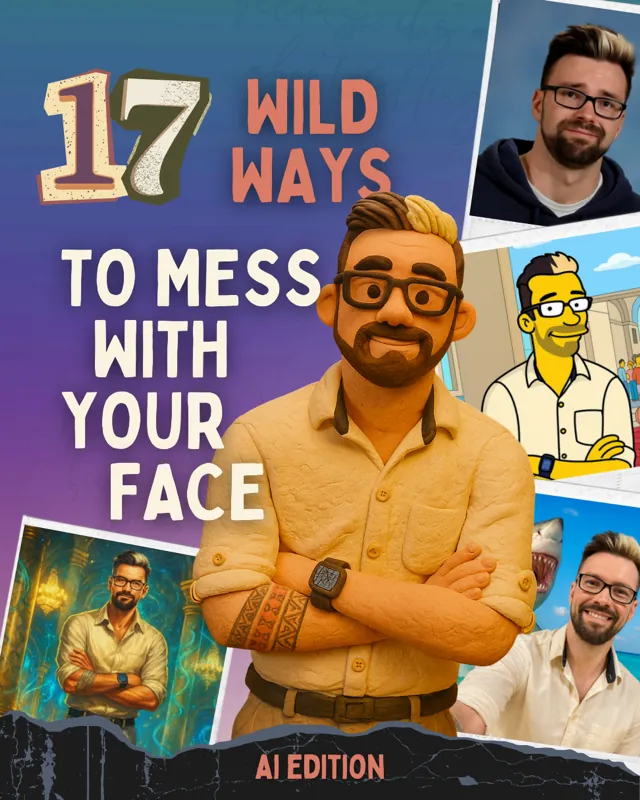
17 chatgpt prompts that mess with your face (and actually work)
one photo in. 17 weird things out. the exact prompts i used to turn myself into a simpson, a trading card legend, a plush toy, and 14 other things i didn't expect.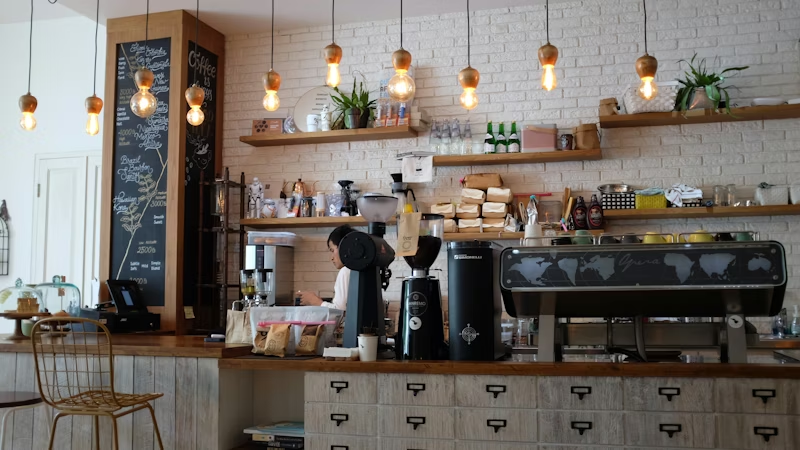
negotiating remote at a non-remote company
how to ask for remote work without making it sound like a lifestyle request, including the trial plan, manager script, objections, and proof document.
why 1-month stays beat 1-week sprints, every time
the case for slower travel: better work, less logistics, deeper routines, cheaper housing, and fewer lonely little airport Tuesdays.what people say.
unsolicited messages. shared with permission.
"i had been overthinking the nomad thing for 3 years. one call with Andrey and i had a clearer plan than anything i'd built in all that time. moved to Lisbon 4 months later."
"the written plan he sends after the call is worth 10x the price. i had 3 months of follow-up questions answered before i even asked them. the most useful thing i bought that year."
"found andreythenomad.com in a nomad forum thread. the most honest framing i've read on this -- no hype, no 'just quit your job', actual sequence. bookmarked half the blog."
questions i get on every intro call.
the questions that come up in every first call. if yours isn't here -- email me.
systems create
freedom